서울이 네온 사인 에너지로 매혹적인 동안, 한국의 진정한 영혼은 다양한 지역에 살아 있습니다. 화산섬부터 고대 사찰 마을까지, 각 지방은 대부분의 관광객이 결코 발견하지 못하는 독특한 문화 체험, 요리 특산품, 숨막히는 풍경을 제공합니다.
핵심 요약
- 2023년 지역 관광 45% 성장 (진정성 추구 여행객 증가)
- 고속철도로 대부분 지역 중심지 2시간 내 연결
- UNESCO 15개 한국 지역 사이트 세계유산 지정
- 지역 음식 시장에서 한국의 가장 진정한 요리 체험 가능
- 사계절 축제가 독특한 지역 전통 선보임
1. 제주도: 관광객 길을 벗어나서
제주의 주요 명소는 잘 알려져 있지만, 섬에는 전통 해녀 문화와 화산 지형이 잊을 수 없는 체험을 창조하는 비밀 구석들이 있습니다.

섭지코지 해안 산책로 - 인기 한라산 등산로보다 덜 붐빔
비인기 제주 여행지
- 우도: 자전거 대여하여 땅콩밭과 산호 해변 탐험
- 성산일출봉: 인파 없는 일출 하이킹 (오전 5시 도착)
- 해녀 체험: 작은 어촌에서 여성 잠수부 문화 배우기
- 제주 올레길: 1-3구간은 관광객이 적은 해안 산책로 제공
- 지역 시장: 동문시장 저녁 해산물 코너는 숨은 보물
현지 가이드 통찰
""대부분 방문객은 제주시나 서귀포에 머뭅니다. 차를 렌트하고 남서부 해안을 탐험하세요 - 화순이나 안덕 같은 마을은 전통 초가집을 보존하고 여전히 고대 어법을 실천하는 지역 가족들과의 홈스테이를 제공합니다." - 김민호, 제주 토박이 가이드"
2. 경주: 한국의 고대 문화 수도
한때 신라 왕국의 수도였던 경주는 불국사와 석굴암 이상의 것을 더 깊이 탐험하려는 사람들에게 제공합니다.
경주의 숨은 역사적 보물
경주 2일 숨은 일정
아침: 양동마을
500년 된 가옥의 UNESCO 세계유산 마을 (관광버스 오전 9시 전 도착)
오후: 기림사
불국사보다 덜 붐비며, 멋진 산경치, 템플스테이 가능
아침: 보문호 자전거 타기
자전거 대여하여 호숫길과 숨은 정자 탐험
저녁: 황리단길
늦게까지 영업하는 전통 찻집과 장인 공방
3. 전라도: 한국의 미식 심장부
전라도는 한국인 사이에서 최고의 음식으로 유명하지만, 국제 관광객에게는 여전히 크게 알려지지 않았습니다.
| 도시 | 요리 특산품 | 필수 방문 시장 | 숨은 식당 | 최적 방문 시기 |
|---|---|---|---|---|
| 전주 | 비빔밥, 콩나물 | 남부시장 (저녁) | 가족 회관 (50년 이상 가족 경영) | 5월 (음식 축제) |
| 광주 | 떡갈비, 김치 | 양동시장 | 1913 송정역시장 (재생된) | 10월 (김장철) |
| 목포 | 해산물, 회덮밥 | 목포항 여객터미널 시장 | 해녀 초밥 (매일 신선한 잡이) | 3-4월 (봄 어획기) |
| 순천 | 산나물, 쌀 | 순천시장 | 낙안읍성마을 홈스테이 식사 | 9월 (수확기) |
"전라도 음식 여행" 이니셔티브는 요리 클래스, 농장 숙박, 시장 투어를 통해 작은 생산자와 방문객을 연결합니다. 여기의 많은 식당들은 여전히 대를 이어 내려온 가족 레시피를 사용하여 서울에서는 맛볼 수 없는 맛을 제공합니다.
4. 강원도: 산과 해안 휴양지
강원도의 드라마틱한 풍경은 인기 있는 스키 리조트를 넘어 사계절 모험을 제공합니다.
설악산 비밀
대부분 방문객은 케이블카 이용 - 흔들계곡 하이킹으로 관광객 적은 멋진 폭포 감상
동해안 도로
강릉에서 삼척까지 해안 도로 드라이브 또는 자전거 타기로 절경과 어촌 마을 감상
평창 고원
여름 야생화 초원과 유기농 농장에서 도시 열기 피하는 시원한 휴식
강원도의 "슬로시티" 운동은 여러 마을(정선과 양양 같은)을 지정하여 전통 생활 방식을 보존합니다. 이 지역들은 템플스테이, 명상 휴양, 전통 공예 배울 기회를 제공합니다.
5. 충청도: 영적 & 농업 안식처
서울과 부산 사이에 위치한 충청도는 평온한 사찰 단지와 한국의 농업 심장부를 제공합니다.
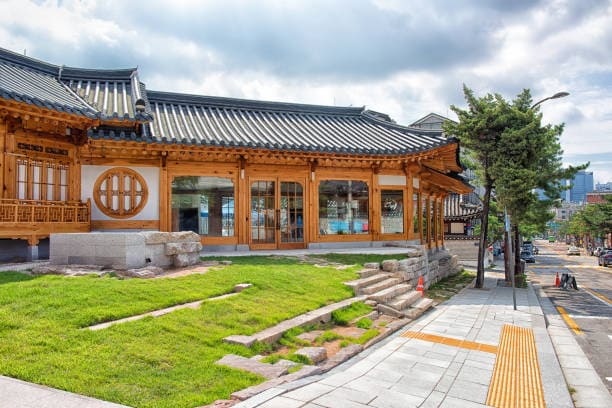
선암사 - 주요 사찰보다 방문객 적지만 동등하게 멋진
충청도 숨은 하이라이트
- 부여 & 공주: 고대 백제 왕국 수도와 왕릉
- 금산사: 뛰어난 목조 건축물의 산사
- 논산 딸기밭: 딸기 테마 음식과 함께 딸기 직접 따기 농장
- 대천해수욕장: 여름뿐만 아니라 겨울 일출 풍경이 장관
- 예산 감마을: 가을 수확 체험과 곶감 만들기 워크숍
시즌 타이밍 중요성
지역 한국은 계절 축제 동안 가장 빛납니다. 잊지 못할 문화 몰입을 위해 안동 탈춤 페스티벌(9-10월), 보령 머드축제(7월), 진해 군항제(4월)를 중심으로 계획하세요. 국내 관광객에게 인기가 많으므로 숙소는 일찍 예약하세요.
6. 지역 탐험 실용 팁
서울을 넘어 여행하는 것은 다른 준비를 필요로 하지만 풍부한 보상을 제공합니다.
교통
최대 유연성을 위해 차량 렌트 (국제 운전 면허증 필요). 기차와 버스는 주요 도시 연결하지만 외진 지역 접근 제한
숙소
호텔보다 한옥 스테이, 템플스테이, 민박(가족 홈스테이) 선택하여 진정한 체험
언어 준비
오프라인 한국어 사전 앱 다운로드. 대도시 외곽에서는 영어 사용 적음
문화적 민감성
사찰 방문 시 검소한 복장. 음식/음료 제안은 항상 수락 - 거절은 실례될 수 있음
현금 & 연결성
현금 휴대 - 많은 지역 사업체가 외국 카드 미수락. 공항에서 휴대용 WiFi 대여
한국관광공사의 "지역 한국 방문" 프로그램은 할인 패스와 가이드 투어를 제공합니다. 주요 기차역에 있는 지역 관광 센터는 훌륭한 영어 지도와 추천을 제공합니다.
7. 지속 가능한 여행과 지역사회 영향
책임 있는 관광은 문화 유산을 보존하면서 지역사회를 지원할 수 있습니다.
| 실천 | 긍정적 영향 | 추천 체험 | 지역 예시 |
|---|---|---|---|
| 지역사회 기반 관광 | 지역 주민 직접 수입, 문화 보존 | 마을 홈스테이, 가족과 요리하기 | 하동 차마을 |
| 생태 관광 | 환경 보전, 인식 제고 | 조류 관찰, 가이드 자연 산책 | 순천만 갈대밭 |
| 문화 유산 관광 | 전통 기술 보존 | 수공예 워크숍, 공연 예술 | 안동 하회마을 |
| 농업 관광 | 소규모 농장 지원, 유기농 관행 | 농장 숙박, 수확 체험 | 제주 감귤 농장 |
"슬로시티"(Cittaslow) 인증 마을과 "생태 관광" 인증 체험을 찾아보세요. 이것들은 여러분의 방문이 지속 가능한 관행과 지역사회 복지를 지원하도록 보장합니다. 인기 장소는 이른 아침이나 성수기 아닌 시즌에 방문하여 과도한 관광을 피하세요.
덜 발길이 닿은 길
한국의 지역들은 그림 같은 풍경 이상을 제공합니다 - 그들은 국가의 영혼으로의 창을 제공합니다. 안개 낀 산에서 울리는 사찰 종소리부터 가족 레시피를 공유하는 할머니까지, 이러한 체험은 전형적인 관광을 초월하는 연결을 창조합니다.
진정한 한국은 붐비는 관광지가 아닌 조용한 순간에 드러납니다: 수확 후 농부들과 막걸리 나누기, 장인들로부터 조상의 공예 배우기, 또는 단순히 논밭 위로 지는 석양 보기. 이 지역 보물들은 여행의 가장 큰 선물이 인간 연결이라는 것을 상기시켜 줍니다.